Choosing the Right Garden Setup for Florida’s Unique Climate
South Florida offers nearly year-round growing conditions—but only if you choose the right garden setup. One of the first decisions homeowners in Jupiter, Palm Beach Gardens, and beyond must make is: Should I build a raised bed or plant directly in the ground?
The answer depends on several factors: soil quality, drainage, space, budget, and personal preferences.
This guide compares raised bed gardens and in-ground gardens, specifically for Florida’s hot, humid, sandy-soil environment, so you can make the best decision for your kitchen garden goals.
What Is a Raised Bed Garden?
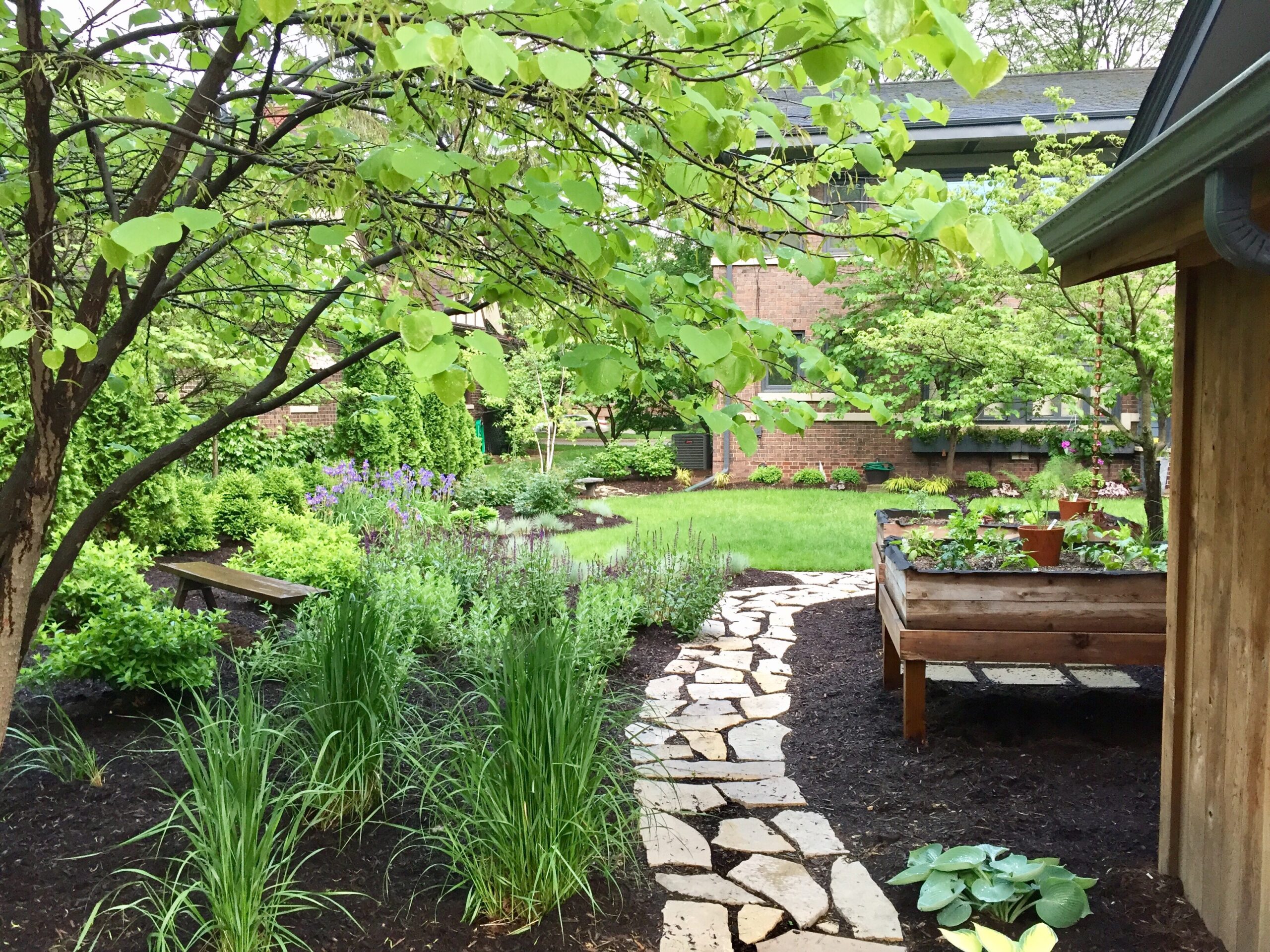
A raised bed garden is a structure—typically made of wood or composite materials—filled with soil and compost that sits above the natural ground level. It can range from a few inches high to several feet tall and is often framed in a rectangular or square shape.
Raised beds are ideal for:
- Controlling soil quality
- Improving drainage
- Reducing weeds
- Making gardening more accessible
They’re particularly useful in areas like Jupiter, where natural soil can be nutrient-poor or overly sandy.
What Is an In-Ground Garden?
An in-ground garden is planted directly into the existing soil after tilling, amending, and prepping the site. It’s the most traditional method of gardening and typically requires more initial soil testing and ongoing care.
In-ground gardens work well for:
- Larger properties with good soil
- Long rows of crops
- Gardeners with experience in soil management
In South Florida, however, in-ground gardening can be challenging due to issues like poor drainage, invasive weeds, and inconsistent soil structure.
Side-by-Side Comparison for South Florida Gardens
Feature | Raised Bed Garden | In-Ground Garden |
Soil Control | Excellent – you control the soil blend | Limited – must work with native soil |
Drainage | Superior – ideal in wet climates | Poor in compacted or sandy soils |
Weed Control | Easier – fewer weeds, easier to manage | Harder – more weeding required |
Cost | Higher – materials and soil required | Lower – minimal startup cost |
Installation Time | Fast – 1–2 days with professional help | Slower – requires prep, tilling, amending |
Accessibility | Great – less bending and kneeling | Poor – can be physically demanding |
Aesthetic Appeal | Clean, modern, customizable | Natural, rustic look |
Longevity | 5–10+ years with quality materials | Ongoing maintenance needed |
Pest Management | Easier – physical barriers possible | Harder – more exposure to soil pests |
Why Raised Beds Are Often the Best Choice in South Florida
For most homeowners in Palm Beach County, raised beds are the preferred solution. Here’s why:
1. Florida Soil Is Sandy and Low in Nutrients
Native soils often lack the structure and fertility needed for vegetables and herbs. With a raised bed, you can fill it with rich organic compost, coconut coir, and other nutrient-dense blends.
2. Better Drainage for Rainy Seasons
South Florida experiences heavy summer rain. Raised beds prevent waterlogging, helping roots stay healthy.
3. Easier to Maintain
Weeds are fewer, soil compaction is reduced, and watering is more efficient with drip irrigation systems.
4. Flexible in Design
Whether you have a small side yard in Tequesta or a larger space in Jupiter Farms, raised beds can be customized to fit your space and layout.
5. Extended Growing Season
Raised beds warm up faster in cooler months, which is especially helpful for fall and winter planting in South Florida.
When In-Ground Gardens Might Be a Good Fit
There are still times when an in-ground setup can work well, particularly if:
- You have large acreage and want to grow in rows
- You’re willing to invest in soil improvement and drainage
- You’re planting larger crops like fruit trees or tropical perennials
- You’re working with a native landscape design that blends edibles and ornamentals
In-ground gardens may be more economical upfront, but often require more work to maintain success over time in Florida’s climate.
Best Raised Bed Materials for Florida Gardens
If you choose raised beds, material selection is key. We recommend:
Cedar or Cypress
Naturally rot-resistant and long-lasting—no need for chemical treatments.
Galvanized Metal
Modern look, extremely durable, and resistant to termites or rot.
Composite Lumber
Low maintenance and eco-friendly, but can be more costly.
Avoid pressure-treated wood unless it’s rated safe for food-growing environments.
Soil Recommendations for South Florida Raised Beds
Use a mix that’s specifically suited to warm climates and edible gardens:
- 40% organic compost
- 30% coconut coir or peat moss
- 20% aged topsoil
- 10% perlite or vermiculite for drainage
We also recommend amending with worm castings, fish emulsion, and mycorrhizal fungi for long-term fertility.
Real Example: From In-Ground Struggles to Raised Bed Success in Jupiter, FL
A client in Jupiter had struggled with an in-ground vegetable garden for over a year—poor drainage, endless weeds, and inconsistent yields. We replaced the space with:
- Two 4×8 cedar raised beds
- A custom compost-soil blend
- Seasonal herbs and vegetables
- Drip irrigation and mulch top layer
Within two weeks, the garden was thriving. She now harvests weekly and reports minimal maintenance. The raised beds also improved ter backyard.
FAQs About Raised Bed and In-Ground Gardens in South Florida
Which is better for beginners—raised bed or in-ground?
Raised beds are easier to manage, especially for beginners. They eliminate many of the soil and drainage issues common to South Florida.
Do raised beds get too hot in summer?
Not if properly mulched and watered. In fact, raised beds drain better during heavy rains, which is crucial in Florida’s wet season.
Can I grow the same crops in both types of gardens?
Yes. But raised beds may yield better results with leafy greens, herbs, and shallow-root vegetables in sandy regions.
How deep should my raised bed be?
At least 10–12 inches deep for vegetables. Deeper beds (18″+) are ideal for root crops and long-term gardens.
Do raised beds last in Florida’s humid climate?
Yes, especially when built with rot-resistant wood or metal. Expect 5–10 years of use with proper maintenance.
Let’s Build the Garden That Works Best for You
Whether you’re starting fresh or rethinking your current garden setup, Palm Beach Kitchen Gardens helps you choose the method that fits your space, climate, and goals.
We offer:
- Raised bed design and installation
- In-ground edible landscaping
- Organic soil and plant sourcing
- Seasonal planting and maintenance
- Custom consultations in Jupiter, Palm Beach Gardens, and surrounding areas
Request your garden consultation today – https://palmbeachkitchengardens.com/contact