
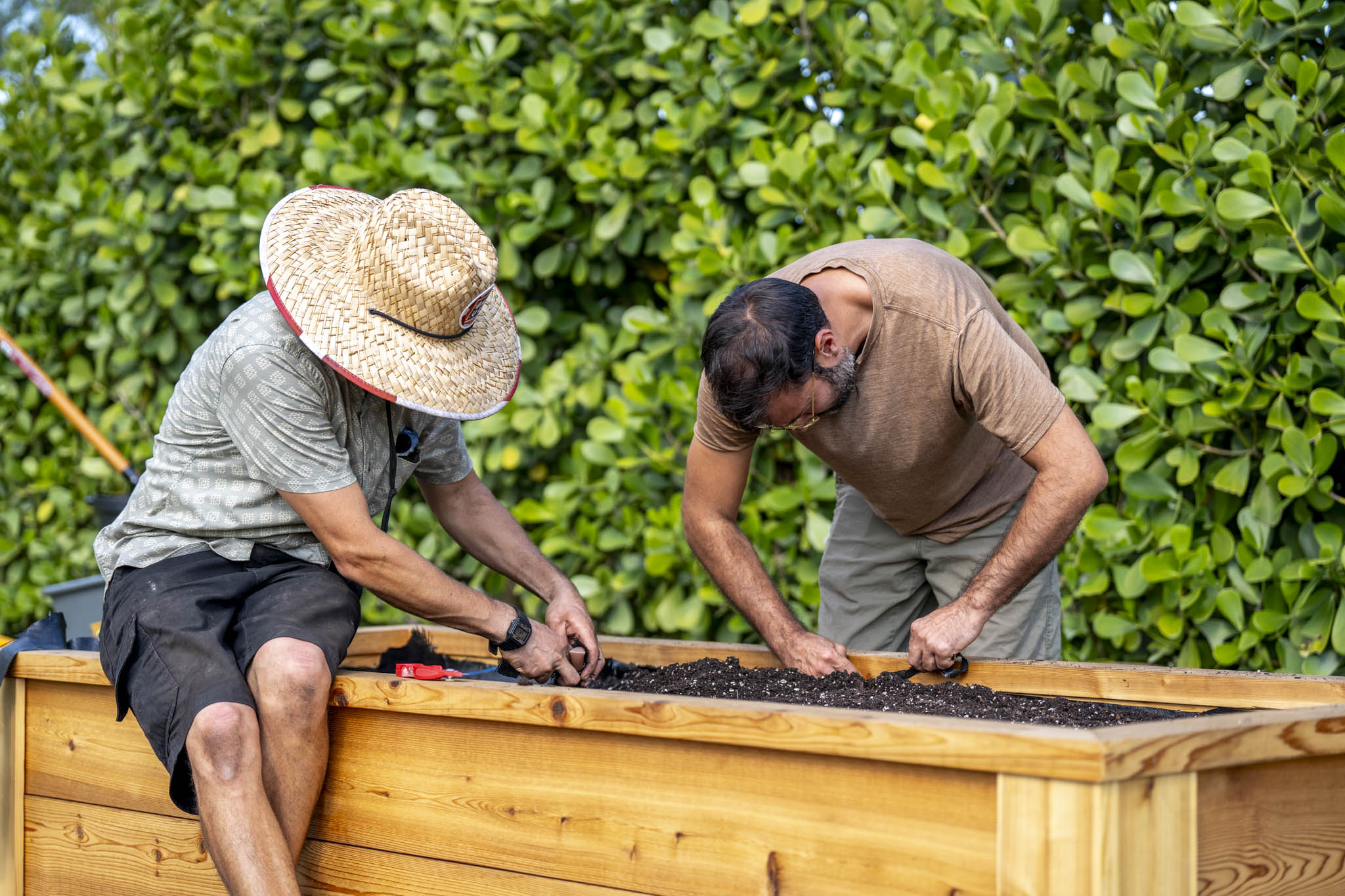
Installing a kitchen garden in Palm Beach County is just the beginning. Long-term success depends on consistent, climate-specific maintenance. South Florida’s sandy soil, high humidity, year-round pest cycles, and intense seasonal weather mean your garden needs ongoing attention to stay productive.
If you live in Jupiter, Palm Beach Gardens, or surrounding communities, understanding what kitchen garden maintenance actually involves will help you protect your investment and maximize harvests throughout the year.
Here’s what every Palm Beach homeowner should know.
Why Maintenance Matters More in South Florida
Palm Beach County falls within USDA Zone 10, allowing year-round growing conditions [USDA Plant Hardiness Zone Map – https://planthardiness.ars.usda.gov/].
While this is an advantage, it also means:
- Pests never fully disappear
- Crops cycle continuously
- Nutrients leach quickly from sandy soil
- Humidity increases fungal pressure
- Storms impact plant structure
Unlike northern climates where gardens go dormant, South Florida kitchen gardens are active nearly all year — requiring structured seasonal planning.
Core Components of Kitchen Garden Maintenance
1. Seasonal Crop Rotation
Proper crop rotation:
- Reduces soil-borne disease
- Improves soil health
- Balances nutrient use
- Minimizes pest buildup
For example:
Fall/Winter Crops
- Lettuce
- Kale
- Arugula
- Carrots
- Swiss chard
Spring/Summer Crops
- Okra
- Eggplant
- Peppers
- Sweet potatoes
- Seminole pumpkin
Rotating crops keeps beds productive without exhausting the soil.
2. Soil Health & Fertility Management
Palm Beach County’s sandy soil drains quickly, which also means nutrients wash away faster.
Ongoing maintenance includes:
- Adding compost
- Applying organic fertilizers
- Mulching consistently
- Monitoring micronutrient levels
The University of Florida IFAS Extension emphasizes regular soil management for sustainable vegetable production in Florida [UF IFAS Extension – https://edis.ifas.ufl.edu/].
Healthy soil directly impacts plant vitality and yield.
3. Irrigation Monitoring & Adjustments
Irrigation needs change throughout the year.
Dry Winter Season
- Increased watering frequency
- Close monitoring of moisture levels
Rainy Summer Season
- Reduced manual watering
- Drainage checks
- Disease prevention
Drip irrigation systems must be inspected periodically to prevent clogs and uneven distribution.
Learn more about installation support here:
[Kitchen Garden Installation – https://palmbeachkitchengardens.com/kitchen-garden-installation/ ]
4. Pest & Disease Management
South Florida’s warm climate supports:
- Aphids
- Whiteflies
- Caterpillars
- Fungal mildew
- Bacterial leaf spot
Integrated Pest Management (IPM) includes:
- Early detection
- Organic treatments
- Companion planting
- Proper spacing for airflow
- Pruning for light penetration
Because pest cycles don’t pause in winter, monitoring is ongoing.
5. Pruning & Plant Training
Vegetables and fruit trees require structural management.
This includes:
- Removing spent crops
- Trellising climbing plants
- Pruning tomatoes
- Structuring tropical fruit tree canopies
- Removing diseased foliage
Tropical fruit trees in particular require annual structural pruning to reduce hurricane vulnerability.
6. Mulch Replacement
Mulch helps:
- Retain moisture
- Suppress weeds
- Regulate soil temperature
- Reduce nutrient runoff
In Palm Beach County’s climate, mulch breaks down quickly and must be replenished regularly.
7. Storm Preparation
Hurricane season requires additional maintenance steps:
- Securing trellises
- Pruning fruit trees
- Checking drainage
- Inspecting irrigation systems
Proactive storm planning protects your garden from avoidable damage.
Maintenance for Tropical Fruit Trees
Many kitchen gardens in Jupiter include:
- Mango
- Avocado
- Banana
- Papaya
- Starfruit
These trees require:
- Scheduled fertilization
- Height control pruning
- Fruit thinning during heavy cycles
- Pest monitoring
- Root-zone watering
Unlike annual vegetables, fruit trees are long-term investments that need structured care.
How Often Should Maintenance Be Performed?
Maintenance is not a once-per-season activity.
Typical cadence:
- Weekly garden checks
- Monthly soil evaluation
- Seasonal crop rotation
- Annual structural pruning
- Ongoing irrigation adjustments
Regular attention prevents small issues from becoming major problems.
DIY Maintenance vs Professional Support
Some homeowners enjoy hands-on gardening.
Others prefer professional assistance, especially for:
- Larger kitchen gardens
- Backyard micro farms
- Estate properties
- Tropical fruit orchards
Garden coaching is available for those who want guidance while staying involved:
[Garden Coaching Services – https://palmbeachkitchengardens.com/garden-coaching/]
Full-service maintenance ensures consistency for busy homeowners in Palm Beach County.
Common Maintenance Mistakes in Palm Beach
Avoid:
- Overwatering during summer
- Ignoring soil depletion
- Failing to rotate crops
- Letting fruit trees grow too tall
- Delaying pest intervention
- Skipping mulch replacement
South Florida gardens reward proactive management.
Signs Your Kitchen Garden Needs Attention
Watch for:
- Yellowing leaves
- Stunted growth
- Blossom drop
- Increased pest activity
- Poor fruit development
- Soil drying rapidly
Early correction preserves harvest potential.
Maintenance for Seasonal Residents
Palm Beach County has many part-time residents.
If you are away for extended periods:
- Install smart irrigation systems
- Schedule maintenance visits
- Choose lower-maintenance crops
- Prune before departure
- Harvest mature produce
Consistent oversight ensures your garden thrives even when you’re not present.
Long-Term Benefits of Proper Maintenance
Consistent care results in:
- Higher yields
- Healthier plants
- Reduced pest pressure
- Improved soil structure
- Greater property value
- Sustainable food production
A well-maintained kitchen garden becomes more productive over time — not less.
FAQs
How often should a kitchen garden be maintained in Palm Beach County?
Weekly observation and seasonal adjustments are recommended for year-round productivity.
Do tropical fruit trees require special maintenance?
Yes. They need structured pruning, fertilization, and irrigation monitoring.
Can I maintain my garden myself?
Yes, especially with professional garden coaching guidance.
What happens if maintenance is neglected?
Yields decline, pests increase, and soil health deteriorates quickly in South Florida’s climate.
Serving Jupiter & Palm Beach County
Palm Beach Kitchen Gardens supports homeowners throughout:
- Jupiter
- Palm Beach Gardens
- West Palm Beach
- Palm Beach Island
- Surrounding communities
From seasonal refreshes to ongoing maintenance plans, expert care keeps your kitchen garden productive and beautiful.
Ready to Keep Your Kitchen Garden Thriving?
Whether you prefer hands-on garden coaching or comprehensive maintenance support, proactive care ensures your Palm Beach kitchen garden flourishes year-round.
Schedule a consultation and create a maintenance plan tailored to your property and lifestyle.