
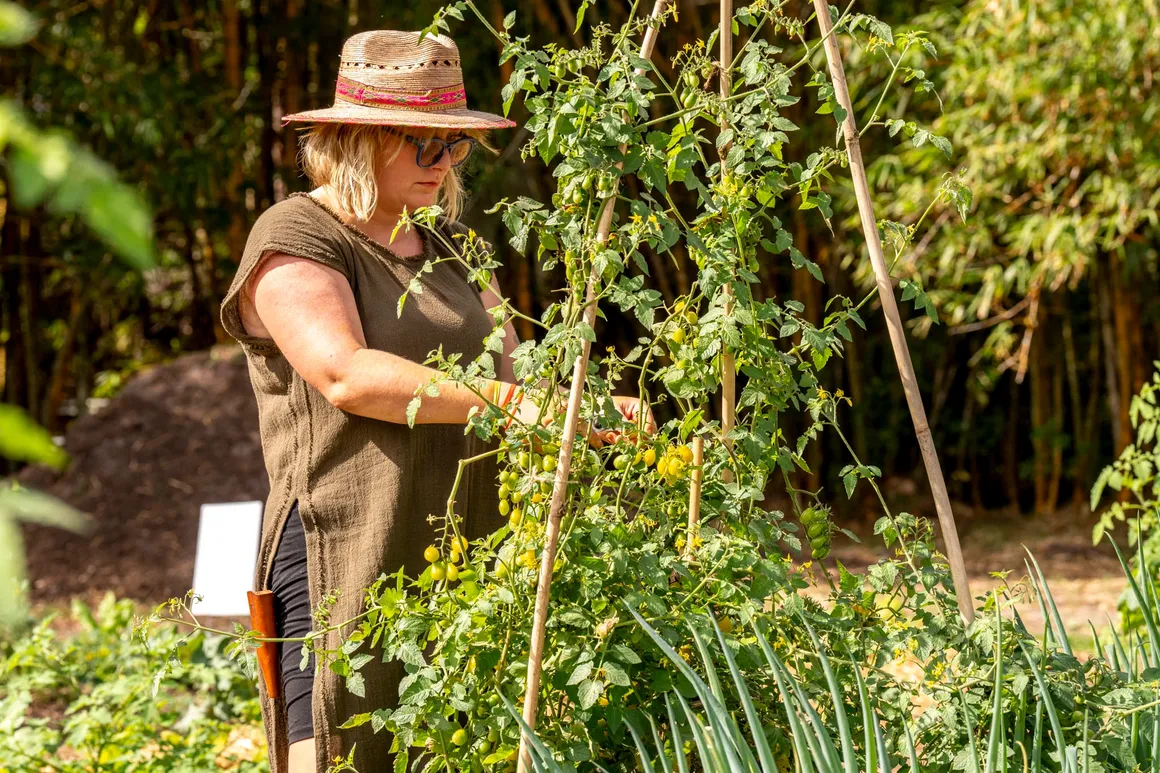
Gardening Through the Heat: Yes, It’s Possible in Florida
Florida summers are intense—high humidity, scorching sun, and sudden storms can take a toll on even the most established garden in summer heat. But with the right strategies, you can keep your edible garden alive, healthy, and even productive through the hottest months.
Whether you’re tending raised beds in Jupiter or growing herbs in a Palm Beach balcony garden, these Florida summer garden tips will help you beat the heat and protect your plants.
Why Florida Summers Are Tough on Gardens
From June through September, Florida’s tropical climate presents unique challenges:
- Extreme heat (90°F+ most days)
- High humidity that invites fungal issues
- Heavy rainfall that can flood beds or containers
- Strong UV rays that cause leaf scorch
- Increased pest pressure, especially from aphids, spider mites, and caterpillars
Understanding these factors is the first step toward summer gardening success.
1. Choose Heat-Tolerant, Summer-Loving Plants
Not all crops can handle Florida’s summer weather. In fact, many traditional vegetables like lettuce, spinach, and cilantro will bolt or wilt quickly.
Instead, grow plants that thrive in heat and humidity:
Vegetables and Herbs for Florida Summers:
- Okra – Loves heat and produces steadily
- Sweet Potatoes – Vines thrive, and roots grow underground
- Eggplant – Tolerates heat well with consistent watering
- Peppers – Bell, jalapeño, and banana types do great
- Yardlong Beans – High-yield and heat-resilient
- Malabar Spinach – Not a true spinach, but thrives in summer
- Roselle (Hibiscus sabdariffa) – Edible leaves and calyxes
- Lemongrass – Heat-tolerant and naturally repels pests
- Basil – Especially Thai and holy basil types
- Mint – Does well in partial shade with moisture
Need help planting the right crops? Contact us – https://palmbeachkitchengardens.com/contact
2. Water Smart—Not More
While summer heat can dry plants quickly, overwatering (especially during rainy season) is a common mistake.
Smart Watering Tips:
- Water early in the morning (before 9 a.m.)
- Use drip irrigation or soaker hoses to target roots
- Avoid watering leaves—this encourages fungus
- Add mulch to retain moisture and reduce evaporation
- Monitor containers closely—they dry faster than beds
Tip: Stick your finger into the soil. If the top inch is dry, it’s time to water.
3. Provide Shade Where Needed
Florida sun can be brutal, especially during mid-day. Even full-sun plants benefit from a little afternoon relief.
Simple Shade Solutions:
- Install shade cloths (30–40% shade rating for edibles)
- Use trellises or taller plants to shade sensitive crops
- Place containers under trees, eaves, or pergolas for dappled light
- Use retractable umbrellas or patio covers for mobile shade
Basil, leafy greens, and herbs like parsley or dill benefit most from some protection during peak heat hours.
4. Watch for Summer Pests and Diseases
Warm, moist conditions are ideal for insect pests and fungal outbreaks. Keep a close eye on your plants and take early action.
Common Summer Garden Pests:
- Aphids – Check undersides of leaves
- Spider Mites – Look for stippling or webbing
- Whiteflies – Shake leaves; tiny bugs may fly up
- Leafminers – Telltale winding trails in leaves
- Armyworms & Caterpillars – Chewed foliage and frass
Organic Pest Management:
- Neem oil spray (apply early morning or evening)
- Beneficial insects like ladybugs and lacewings
- Floating row covers to protect young plants
- Manual removal for larger pests like caterpillars
We recommend regular garden walk-throughs—just 5 minutes a few times a week can help you catch issues before they spread.
5. Maintain Your Soil Health
Florida rains can leach nutrients from garden soil quickly. Replenish regularly with organic fertilizers and compost.
Summer Soil Boosters:
- Compost tea or worm casting tea
- Fish emulsion (liquid fertilizer for leafy crops)
- Seaweed extract for trace minerals
- Mulch (straw, leaves, or pine bark) to prevent runoff and erosion
Healthy soil is the foundation of healthy plants—especially in extreme conditions.
6. Cut Back and Pause if Needed
Sometimes, the best move is to scale back during the worst heat and plan for fall.
What you can do in July/August:
- Let beds rest under a layer of mulch or a cover crop like sunn hemp
- Focus on soil building and composting
- Start seeds indoors for your fall garden
- Maintain perennials and tropicals only
- Grow a reduced summer crop instead of overextending
We can help you create a summer maintenance plan to keep your garden healthy and ready for peak fall planting.
Real Example: Summer Garden Strategy in Palm Beach Gardens
One of our clients in Palm Beach Gardens struggled with wilting plants and soil rot every summer. We helped her:
- Switch to raised beds with better drainage
- Install a 40% shade cloth system
- Replant with okra, eggplant, and roselle
- Use mulch and drip irrigation for consistency
- Introduce neem oil spray every 10 days
The result? Her summer garden not only survived—it thrived. She harvested weekly and maintained plant health all the way into October.
FAQs About Florida Summer Gardening
Can I grow vegetables in Florida during summer?
Yes, but only certain crops. Focus on heat-tolerant plants like okra, eggplant, basil, and Malabar spinach.
How do I keep herbs from dying in the heat?
Use partial shade, water consistently, and mulch heavily. Some herbs (like parsley and cilantro) are cool-season and should be replaced with summer alternatives.
Should I fertilize more in summer?
Use light, organic fertilizers every 2–3 weeks. Avoid heavy feeding, especially during extreme heat or drought.
How do I prevent fungal problems during rainy season?
Water in the morning, avoid overhead watering, space plants properly, and apply neem oil preventatively.
Keep Your Garden Growing All Year Long
Don’t let the heat stop you from enjoying fresh herbs and vegetables at home. With the right summer strategy, your garden can stay healthy, productive, and beautiful—even in the toughest months.
Palm Beach Kitchen Gardens offers:
- Summer garden maintenance and planning
- Raised bed installations with smart irrigation
- Seasonal crop selection and soil improvement
- Organic pest and disease management
- Fall garden preparation
Serving clients in Jupiter, Palm Beach Gardens, West Palm Beach, and surrounding areas.