
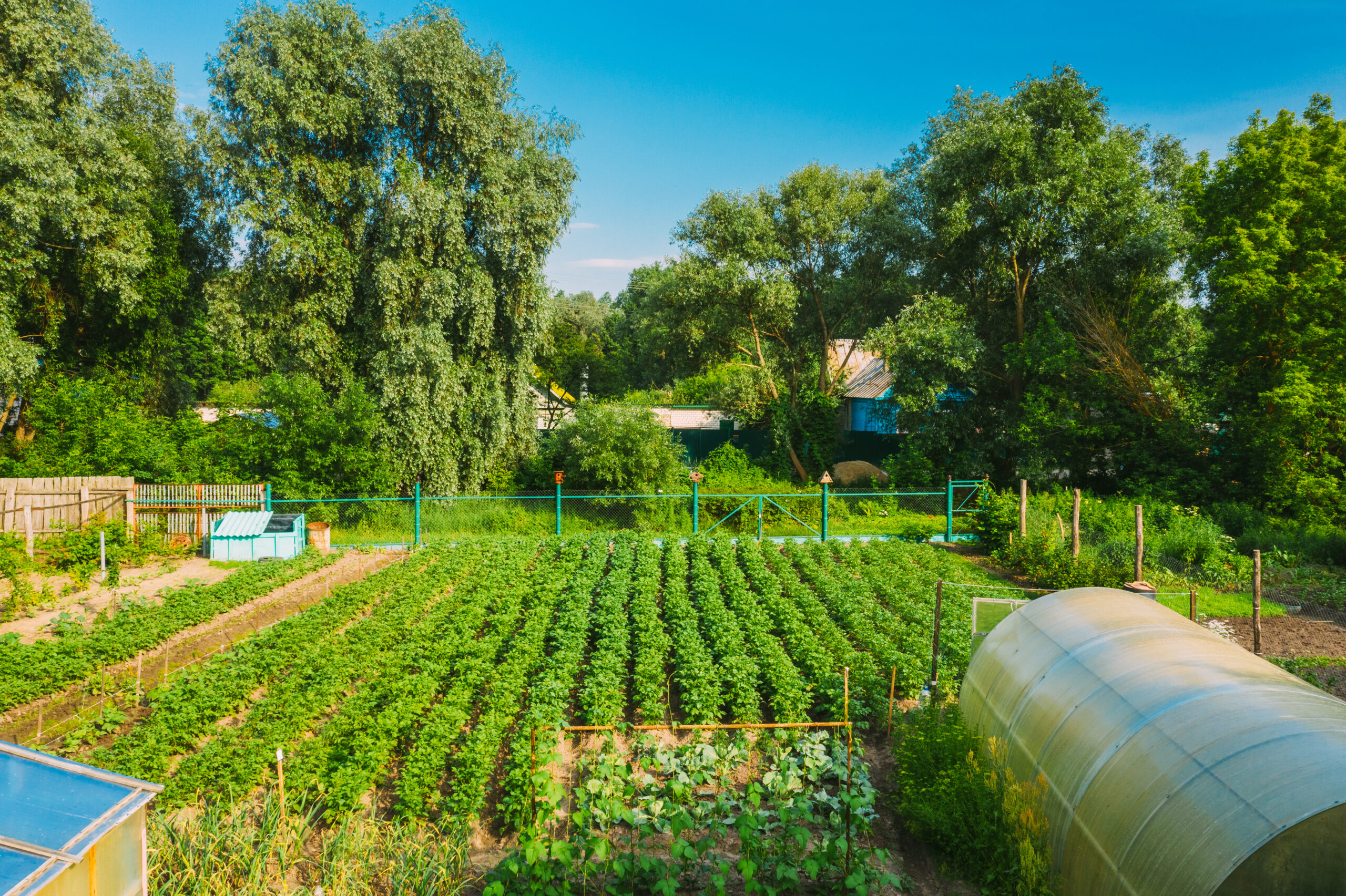
If you live in Jupiter, FL and have outdoor space, a backyard micro farms can transform your property into a productive, beautiful, and sustainable food source. With South Florida’s year-round growing climate, homeowners can grow vegetables, tropical fruit trees, herbs, and even cut flowers on a small but highly efficient scale. The key is thoughtful planning, soil preparation, irrigation, and climate-smart design tailored specifically to Palm Beach County conditions.
A micro farm is more than a few raised beds — it’s a carefully designed system built for long-term harvest success.
What Is a Backyard Micro Farm?
A backyard micro farm is a highly productive edible landscape designed to maximize output in a residential setting. Unlike a traditional garden that may focus on seasonal vegetables alone, a micro farm integrates:
- Intensive crop rotation
- Companion planting
- Fruit trees and perennial crops
- Soil regeneration practices
- Efficient irrigation systems
- Pollinator-friendly design
In Jupiter and across Palm Beach County, this model works exceptionally well because of our extended growing season and subtropical climate.
According to the USDA Plant Hardiness Zone Map, this region falls within Zones 10a–10b, making it suitable for year-round growing cycles [USDA Plant Hardiness Zone Map – https://planthardiness.ars.usda.gov/].
Why Jupiter, FL Is Ideal for Micro Farming
Jupiter offers unique growing advantages:
1. Long Growing Season
You can grow cool-season crops in winter and heat-loving crops for most of the year.
2. Tropical Fruit Compatibility
Mango, avocado, banana, starfruit, papaya, and guava thrive locally.
3. Ample Residential Lot Sizes
Many Jupiter properties allow for structured growing beds, small orchards, and integrated garden layouts.
However, some challenges require proper planning:
- Sandy soil with low nutrient retention
- Intense summer rainfall
- Hurricane-season winds
- Persistent subtropical pests
A well-designed micro farm accounts for all of these factors from the start.
Planning Your Backyard Micro Farm
Step 1: Evaluate Sun Exposure
Most food crops require:
- 6–8 hours of direct sunlight
- Protection from strong prevailing winds
- Strategic placement away from large shade trees
Southern and western exposures often work best in Palm Beach County.
Step 2: Improve Soil Quality
Native sandy soil drains quickly but lacks organic matter. Without amendments, nutrients leach out rapidly.
Best practices include:
- Incorporating compost
- Adding aged manure
- Using organic mulch
- Installing drip irrigation to reduce runoff
The EPA emphasizes composting as a key method for improving soil fertility and structure [EPA Composting Guide – https://www.epa.gov/recycle/composting-home].
Step 3: Install Efficient Irrigation
Drip irrigation is strongly recommended in South Florida because it:
- Reduces water waste
- Minimizes fungal disease
- Delivers water directly to root zones
- Maintains consistency during dry winter months
Overhead watering is not ideal in humid climates.
Step 4: Design for Year-Round Production
A true micro farm rotates crops strategically.
For example:
Fall & Winter Crops
- Lettuce
- Kale
- Swiss chard
- Carrots
- Arugula
Spring & Summer Crops
- Okra
- Sweet potatoes
- Peppers
- Eggplant
- Seminole pumpkin
Layering annual vegetables with perennial fruit trees increases overall productivity.
Integrating Tropical Fruit Trees
Many Jupiter homeowners incorporate fruit trees directly into micro farm layouts.
Popular additions include:
- Mango
- Avocado
- Banana
- Papaya
- Starfruit
These trees provide shade, structure, and high-value harvests.
For more on edible installations, see:
[Kitchen Garden Installation Services – https://palmbeachkitchengardens.com/kitchen-garden-installation/]
Hurricane & Storm Planning
Living in Palm Beach County means preparing for hurricane season.
Micro farms should include:
- Wind-resistant bed orientation
- Staked young trees
- Drainage channels for heavy rain
- Annual structural pruning
Proper planning prevents costly storm damage and plant loss.
Maintenance Expectations
A backyard micro farm requires:
- Weekly observation
- Seasonal replanting
- Nutrient management
- Organic pest control
- Irrigation checks
Homeowners can manage this independently or work with a professional garden coach.
Explore support options here:
[Garden Coaching Services – https://palmbeachkitchengardens.com/garden-coaching/]
Lifestyle Benefits of a Micro Farm
Beyond food production, micro farms provide:
- Reduced grocery dependence
- Healthier eating habits
- Outdoor engagement for families
- Educational opportunities for children
- Increased property appeal
For many Jupiter homeowners, it becomes the centerpiece of outdoor living.
FAQs
How much space do I need?
Micro farms can be installed in spaces as small as 500 square feet, though larger areas allow for greater diversity.
Is prior gardening experience required?
No. With proper planning and coaching, beginners can succeed.
Can this work in HOA communities?
Yes, with thoughtful, aesthetically integrated design.
When is the best time to start?
Fall and early winter are ideal, but installation can happen year-round in Palm Beach County.
Ready to Build Your Backyard Micro Farm in Jupiter?
Palm Beach Kitchen Gardens offers:
- Custom design
- Installation
- Tropical fruit tree integration
- Irrigation setup
- Garden coaching
- Ongoing seasonal support
Serving Jupiter, Palm Beach Gardens, West Palm Beach, and all of Palm Beach County.
Schedule a consultation and transform your backyard into a productive, thriving micro farm.