
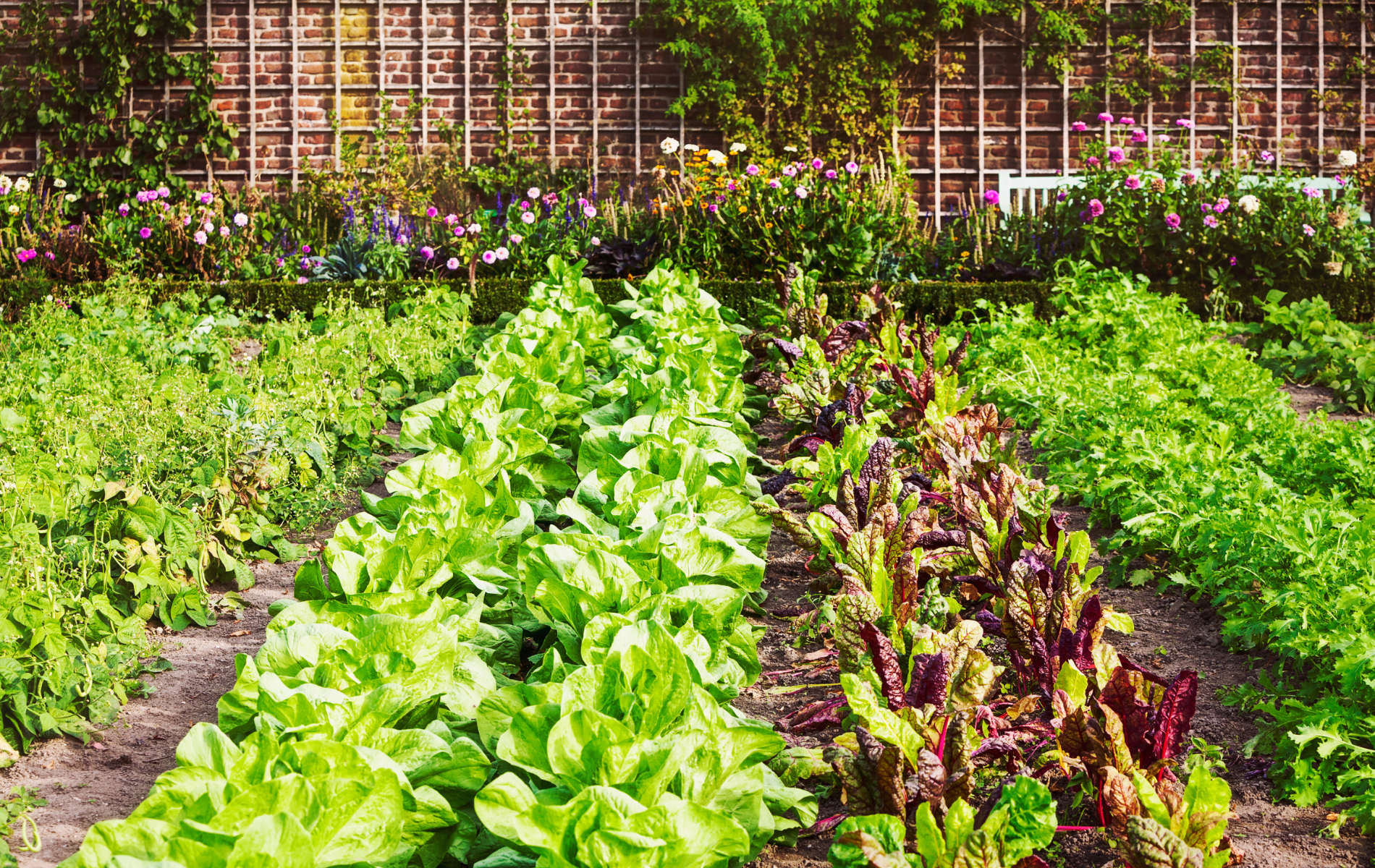
The Short Answer: Yes—But It Depends on What You Plant
Florida’s climate is unlike almost anywhere else in the U.S., and Jupiter is one of the best places to garden year-round. Thanks to the subtropical environment, you can grow vegetables in every month of the year—but not the same vegetables all year long.
Success comes from understanding Florida’s two primary growing seasons and choosing crops suited to the heat, humidity, and rainfall patterns of each.
At Palm Beach Kitchen Gardens, we’ve helped homeowners across Palm Beach County grow thriving edible gardens 12 months a year. Here’s what you need to know.
Understanding Florida’s Year-Round Growing Seasons
Unlike northern states that have four distinct seasons, Florida’s vegetable gardening calendar is split into two main cycles:
1. Cool Season (October – March)
- Best for leafy greens, root vegetables, and herbs that prefer mild weather.
- Crops are less prone to bolting and pests in cooler temps.
2. Warm/Hot Season (April – September)
- Perfect for heat-tolerant vegetables and tropical edibles.
- Requires more pest management, irrigation, and shade planning.
With the right rotation, you can harvest something fresh from your garden nearly every week of the year.
What Vegetables Grow Best in Jupiter’s Cool Season?
From late fall through early spring, the mild Florida winter is perfect for a wide variety of crops.
Top Cool-Season Vegetables for Jupiter, FL:
- Lettuce (romaine, butterhead, oakleaf)
- Kale, Swiss chard, collards, mustard greens
- Spinach and arugula
- Broccoli, cauliflower, cabbage
- Carrots, beets, radishes, turnips
- Onions and garlic
- Cilantro, dill, parsley
Cool-season gardening is especially productive in raised beds and container gardens, where soil warms up quickly and drainage is easy to manage.
What Vegetables Grow Best in Jupiter’s Warm Season?
Summer in South Florida is hot, humid, and wet—but plenty of crops actually thrive in these conditions.
Top Warm-Season Vegetables for Jupiter, FL:
- Okra
- Eggplant
- Peppers (bell, banana, jalapeño)
- Sweet potatoes
- Yardlong beans (southern peas)
- Malabar spinach (heat-loving leafy green)
- Roselle (hibiscus variety used for teas and jams)
- Cucumbers (heat-tolerant varieties)
- Tropical fruits like papaya and bananas
Pair these with mulch, drip irrigation, and shade cloth for best results during Florida’s intense summer.
- Okra
How to Garden Year-Round in Jupiter
The secret to year-round gardening isn’t planting everything at once—it’s planning strategically.
1. Rotate Crops Seasonally
Grow leafy greens and roots in winter, then switch to tropicals and heat-loving plants in summer. This keeps soil balanced and pests under control.
2. Use Raised Beds and Containers
South Florida’s sandy soils drain quickly and lack nutrients. Raised beds and container systems allow full control of soil quality, making year-round planting easier.
3. Plan for Rain and Irrigation
Summer rains can drown delicate plants, while winter dry spells require consistent watering. Install drip irrigation for steady, efficient moisture.
4. Incorporate Perennials
Add plants like rosemary, lemongrass, aloe, or moringa to your garden for year-round harvests that don’t require replanting each season.
5. Practice Succession Planting
Plant smaller batches of crops every 2–3 weeks to keep harvests steady instead of overwhelming.
Common Challenges in Year-Round Gardening
Even with Florida’s advantages, year-round gardening comes with its own hurdles.
- Pests and Diseases: Warm weather means more insects, fungi, and nematodes. Use organic prevention methods like neem oil and beneficial insects.
- Bolting Crops: Heat-sensitive plants like lettuce and cilantro will bolt (flower and stop producing) if planted out of season.
- Nutrient Leaching: Summer rains wash nutrients from soil—add compost and organic fertilizer regularly.
- Sun Intensity: Afternoon shade or cloth protection helps protect delicate crops from scorching.
At Palm Beach Kitchen Gardens, we design systems that minimize these challenges while maximizing your harvests.
Real Example: A Jupiter Family’s Year-Round Kitchen Garden
In 2023, we installed a custom raised bed garden for a family in Jupiter Farms. Their goals: fresh salads in winter, tropical harvests in summer.
We created:
- Four cedar raised beds with drip irrigation
- A soil blend enriched with organic compost and worm castings
- Seasonal rotation plans (greens and root vegetables in cool months; okra, eggplant, and Malabar spinach in summer)
Result: The family has been harvesting continuously for over 18 months, with weekly baskets of herbs and veggies that change with the season.
FAQs About Year-Round Gardening in Jupiter, FL
Can I grow tomatoes year-round in Florida?
No. Tomatoes grow best in spring and fall, but usually struggle in midsummer due to heat and humidity.
What’s the easiest crop to grow year-round?
Perennials like rosemary, lemongrass, and aloe thrive nearly all year. For annuals, rotate crops seasonally for success.
Do I need to replant every season?
Yes, unless you grow perennials. Most annual vegetables require replanting with each season.
Is organic gardening possible year-round?
Absolutely. With raised beds, compost, and organic pest control, year-round organic gardening is achievable in Florida.
Ready to Garden All Year in Jupiter?
With the right design and seasonal plan, your Florida garden can produce fresh herbs and vegetables every month of the year.
Palm Beach Kitchen Gardens helps homeowners in Jupiter, Palm Beach Gardens, Tequesta, and surrounding areas succeed with:
- Custom raised bed and container installations
- Organic soil and planting plans
- Seasonal replanting and crop rotation
- Irrigation systems and maintenance support
Start your year-round garden with a free consultation – https://palmbeachkitchengardens.com/contact